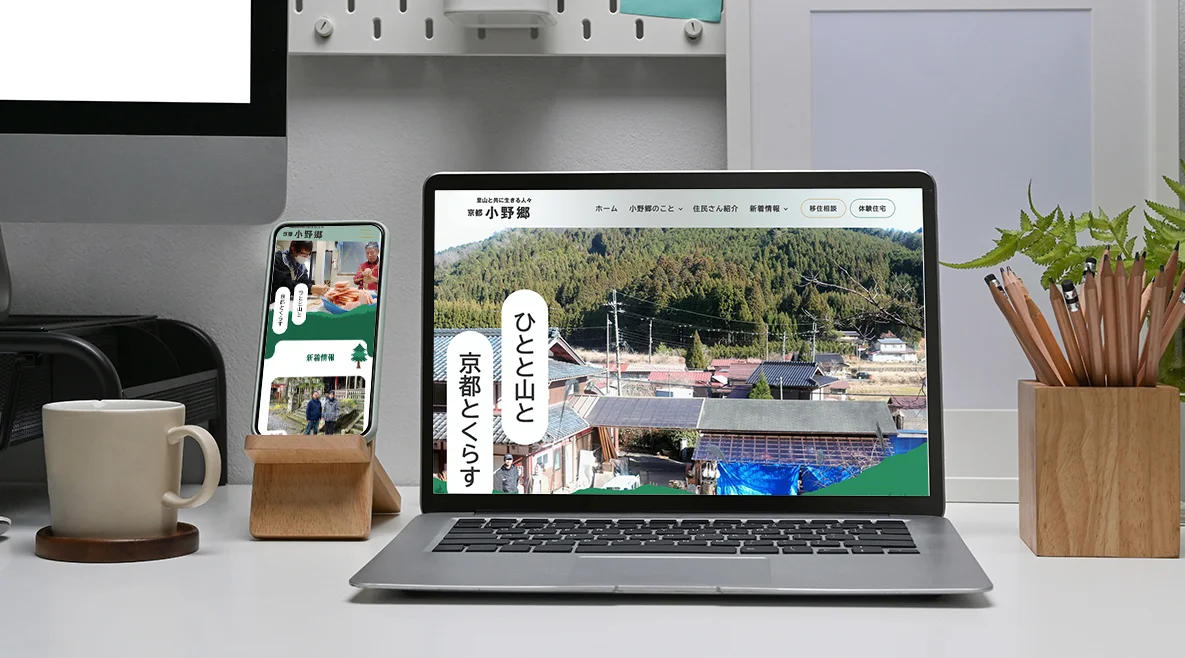


Overview of Key Features
- Client: Ono-go (Ukyo Ward, Kyoto City; a region known for Kitayama cedar)
- Project Scope: Website development to promote relocation
- Scope of Work: Planning, resident interviews, content design, graphic design, and coding
- Key Production Points: Resident-led information architecture / Introduction of a “trial step” program featuring trial housing
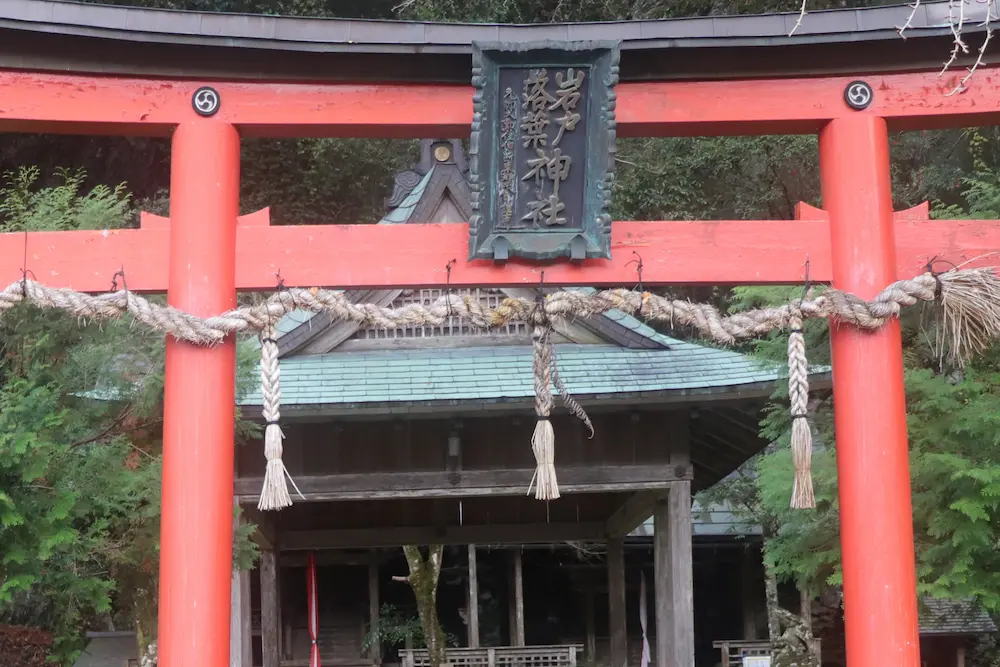
Just a short drive from downtown Kyoto lies a place where the scent of the air and the coolness on your skin change instantly.“Ono-go,” a region that has quietly woven its history for centuries as a source of Kitayama cedar. Groves of cedar trees stretching straight toward the sky, and the gentle murmur of the Kiyotaki River winding its way through them. It is a village where time flows in a way that makes you want to take a deep breath—a pace distinct from the conveniences of the city.
We received a request from Ono-go to “create a website to promote relocation.” Among the many relocation websites we’ve produced in Kyoto, this project in particular required us to play a strong role as a bridge between the community and prospective residents.
The sincerity of knowing it’s not just “anyone”
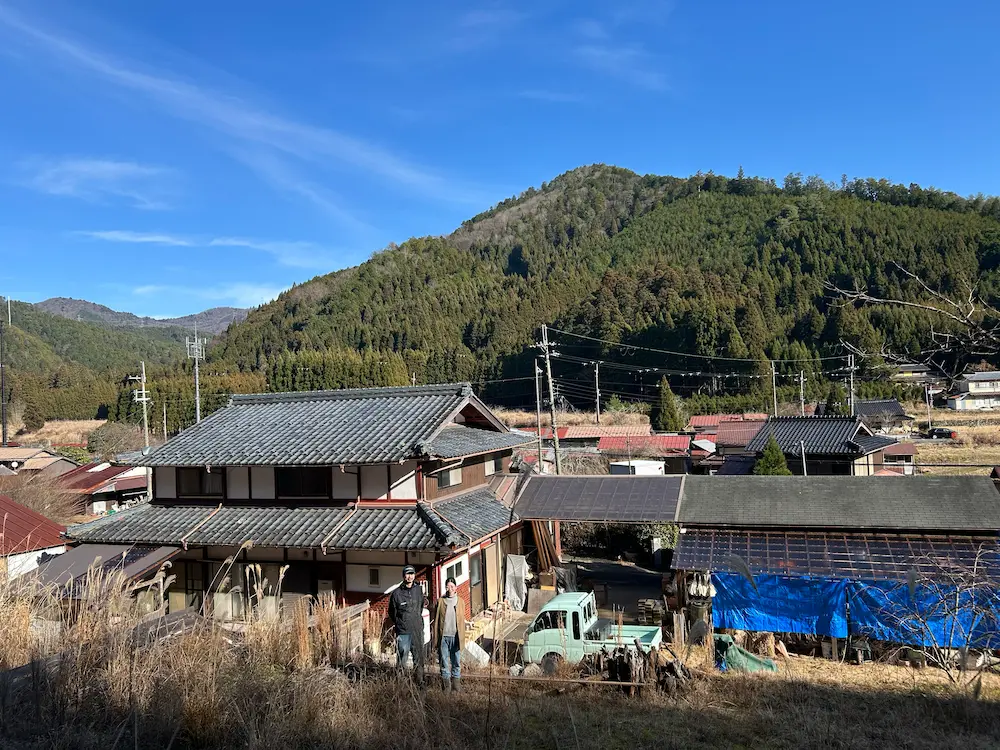
During my initial visit to Ono-go and through repeated consultations, it became clear that this was not a place that simply wanted “more people” or “anyone” to come.
Ono-go is a historic land nestled among the mountains. Precisely because of this, it’s not like a typical housing development where you can simply build a new home right away. There are regulations in place to protect the landscape, and the hurdles for new construction are by no means low. This isn’t just a matter of cost; it requires a “commitment” to the land—taking over a building that has stood there for generations and continuing to live there while preserving its history.
“Rather than leaving everything to contractors, we want to work through the challenges together and create something as if it were handmade.”
These words from our project manager became a crucial starting point that set the direction for this project. Rather than fitting the project into a template, we aimed to shape a unique “character” specific to that land through repeated dialogue. This approach aligned perfectly with the methodology we always prioritize in our creative work.
Bringing the warmth of daily life through the screen
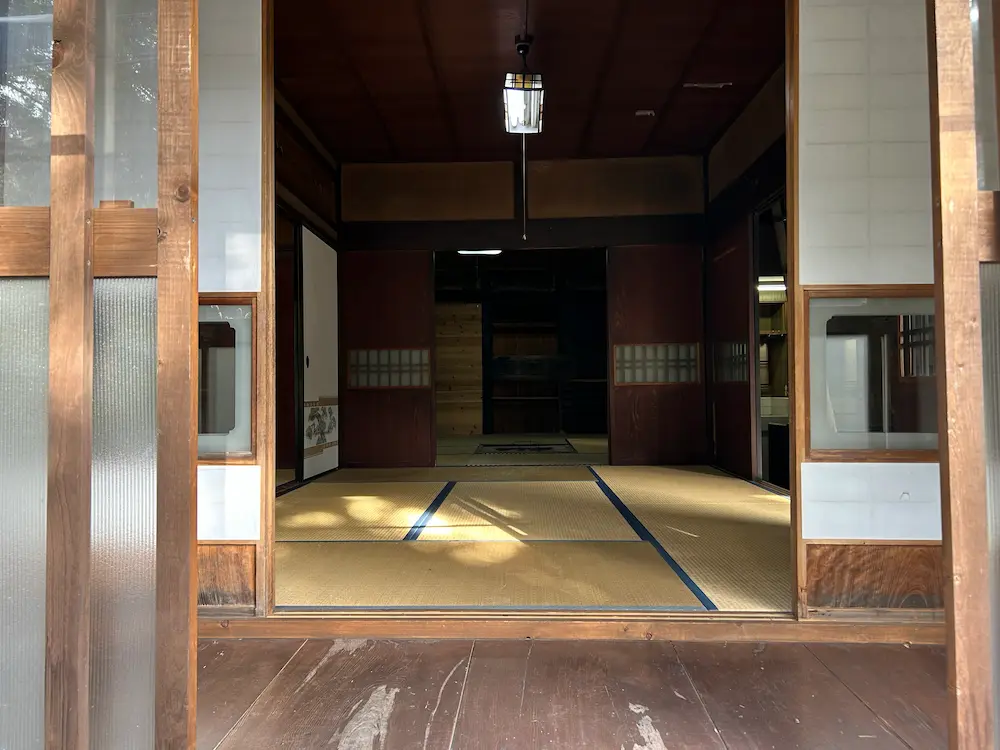
As I walked through Onogo many times, what struck me most was the “strength of the bonds” between residents.
Seeing each other’s faces is simply a given. Relationships where people share freshly harvested vegetables and naturally lend a helping hand when someone is in trouble are woven into the fabric of daily life. How could we convey this sense of warmth to people considering a move here? That’s why we adopted the approach of **“a website structure where residents take center stage.”**
Rather than following the standard format of relocation websites—which simply list landscape photos and facility information—we decided to feature the actual faces of the people living and working in this village. To achieve this, we conducted individual interviews with each resident. We sat on the engawa (veranda) sipping tea, listening carefully to their stories one-on-one.What challenges do they face? What helps them get by? Why did they choose this place? We believed that the unvarnished words shared in these conversations would be the most trustworthy information for prospective residents. Encountering this place is like “trying it on.”
The Core of Persuasion: The “Trial Step” of the Experience Home
One aspect we paid particular attention to in this project was the design of the “Experience Homes” page, where visitors can get a feel for what daily life is really like. We believe the persuasive power of this relocation website is concentrated here.
Relocating is a major life decision. In this region, where people live close together and winters can be bitterly cold, deciding to “live here” on a whim can become a burdensome choice for both those welcoming newcomers and those arriving.
Many relocation websites prominently feature welcoming messages like “Welcome” or “We’re looking forward to seeing you.” However, what truly causes anxiety for prospective residents are the concerns that lie beyond that—such as “What if it doesn’t work out?” or “What if I can’t go back?” That’s precisely why, rather than presenting a full-scale move right away, it was essential to first provide a space where people could “try it out.”
Just like trying on clothes or staying overnight at a relative’s house.We wanted them to experience the depth of the morning fog, the stillness of the night, and the greetings exchanged with neighbors through a short-term stay. If it doesn’t feel right, that’s perfectly fine; if it does, they can take the next step. We believed that having this “breathing room” to turn back would lower the psychological barrier for those considering relocation.
On the website as well, we provide particularly detailed information about the trial housing (what you can do during your stay, where to go for advice, and the next steps). Before making the major decision to relocate, a small “trial” option is available. I feel that this design itself became the element that best conveyed the sincerity of the Ono-go community.
Conveying the Region’s Appeal Through Information Design
The completed website features numerous photos and quotes from residents. This serves as evidence that Ono-go is a community defined not only by its scenery and location but also by the people who live there.
- An Approach of Co-Creation with the Community, Rather Than Being Vendor-Led
- Real-life accounts from resident interviews
- A “trial home” program designed to lower the psychological barrier to relocation
By incorporating these three elements into the information architecture, we believe the relocation promotion website has become more than just an informational page; it now functions as a gateway connecting the community with prospective residents.
Similarly, if you are a local government official or regional business operator who is unsure how to convey the appeal of your area or is considering launching a website to promote relocation and settlement, please feel free to contact us for a consultation.
 Contact Form


 Related Cases