
Hello, this isKototsuki Design.
Hot springs, super sentos, and traditional public bathhouses. While all of these are “places to go for a bath,” there’s actually a surprising amount of information needed when creating a website for them. Water quality, baths, open-air baths, saunas, and hot stone baths. Prices, hours of operation, and directions. Dining options, rest areas, amenities, and events. Recently, the “ways to spend time beyond just bathing” have become quite diverse depending on the facility.
For this reason, it may be important for a hot spring facility’s website to do more than just list its amenities—it should also convey “what kind of experience visitors can expect when they visit this facility.” Today, we’ll explore website creation for hot springs, super sentos, and traditional public bathhouses, incorporating market rates, necessary information, and data on user demographics.
The Market Surrounding Hot Springs, Super Sento, and Sento
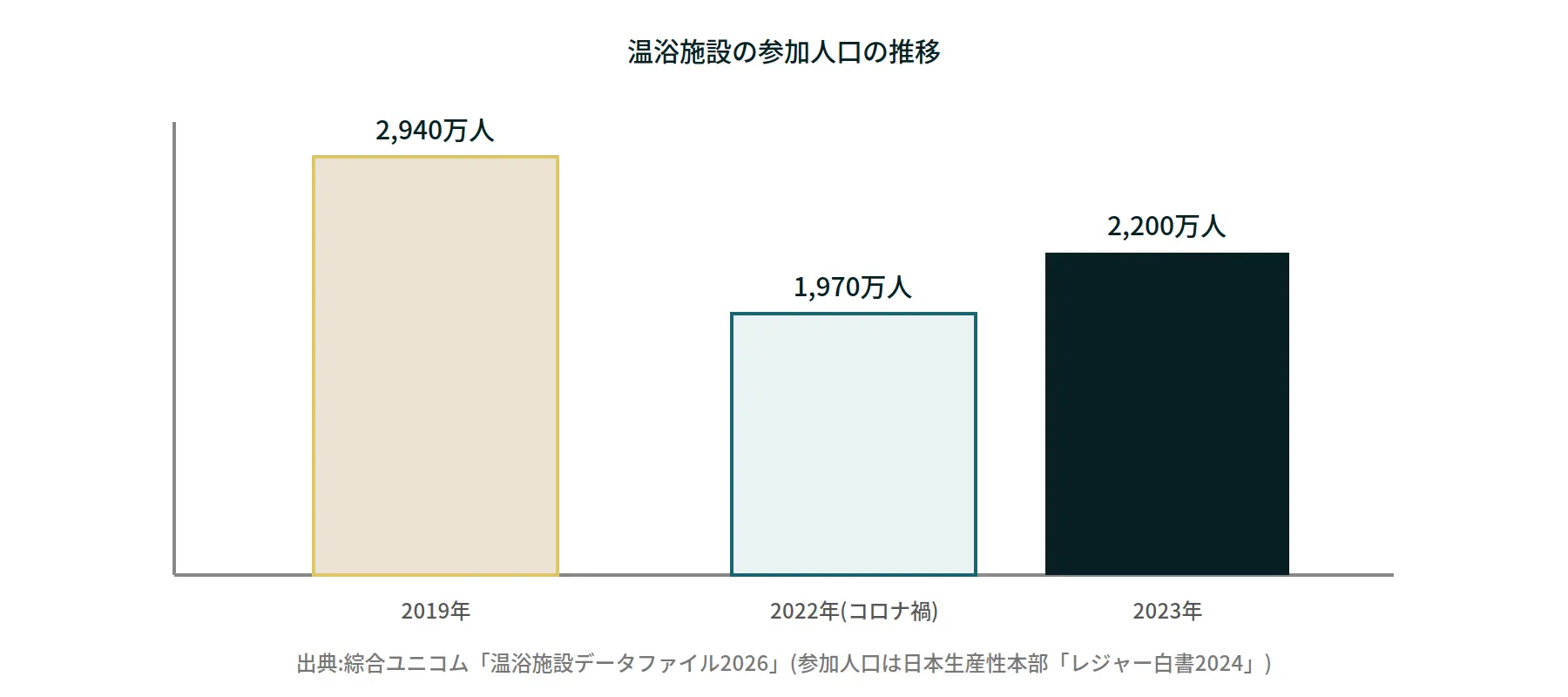
First, let’s look at the numbers surrounding hot spring facilities.According to Sogo Unicom’s “Hot Spring Facility Data File 2026,” the number of visitors to hot spring facilities stood at 29.4 million in 2019, dropped to 19.7 million in 2022 following the COVID-19 pandemic, and recovered to 22 million in 2023(Source for visitor numbers: Japan Productivity Center’s “Leisure White Paper 2024”). Regarding the number of visitors in fiscal year 2024, the same report indicates a 3.7% year-over-year increase at the surveyed facilities. Although numbers dropped significantly during the COVID-19 pandemic, they appear to be on a recovery trend since then.
Furthermore, the 2026 edition surveyed 154 facilities nationwide, examining annual visitor numbers, gender ratios, age groups, average time spent at the facility, and even usage rates of amenities such as saunas and food and beverage facilities. This shows that today’s hot spring facilities are no longer viewed solely for the purpose of “taking a bath,” but are designed to accommodate a variety of ways to spend time.
Who Uses Hot Springs, Super Sento, and Sento?
When thinking about users of hot spring facilities, we often have vague preconceptions, such as “there seem to be a lot of older people” or “saunas seem to be popular with young men.” In reality, the types of users vary depending on the facility.
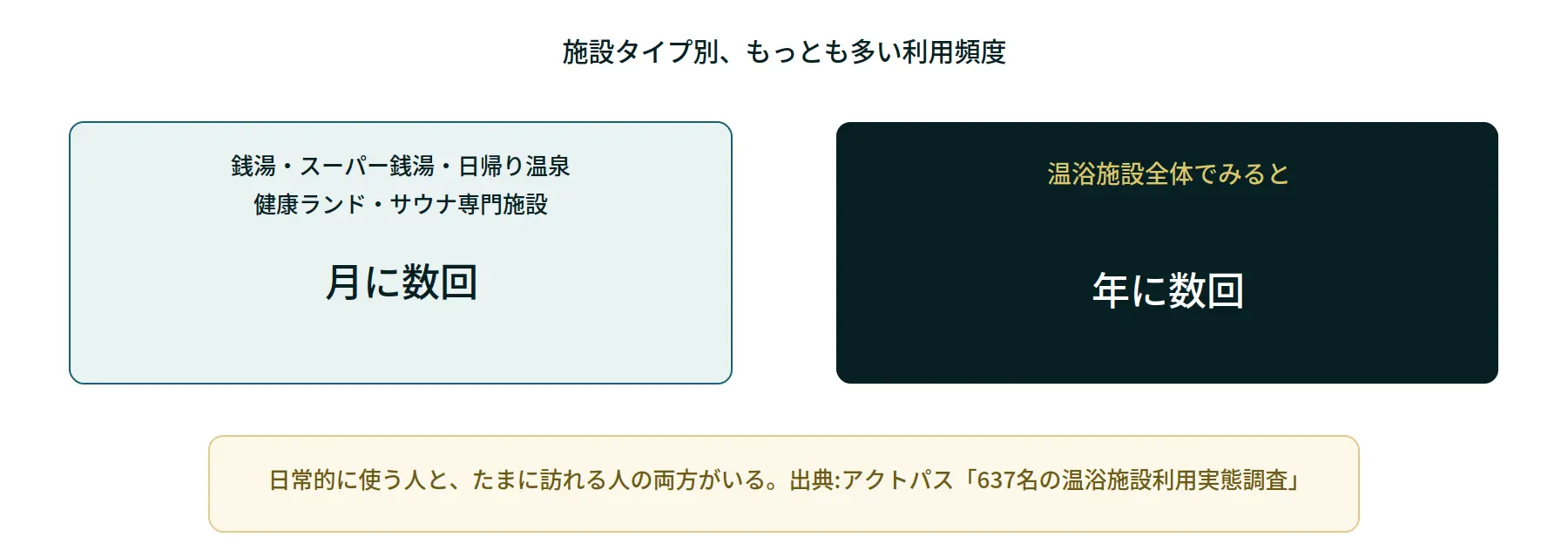
In the “Survey on the Actual Usage of Bathing Facilities Among 637 People” conducted by Actpass Co., Ltd. in 2023, 637 men and women ranging in age from their teens to their 70s were surveyed regarding their usage patterns of hot springs, traditional public bathhouses, super sentō and day-trip hot springs, health resorts, and dedicated sauna facilities.The survey found that usage frequency varies by facility type, with “several times a month” being the most common frequency for public bathhouses, super sentō and day-trip hot springs, health resorts, and dedicated sauna facilities.On the other hand, for hot bath facilities as a whole, “a few times a year” was the most common frequency of use, indicating that many people visit only occasionally, in addition to those who use them regularly.
Survey results also show that 21% of men and 16% of women visit super sentos.
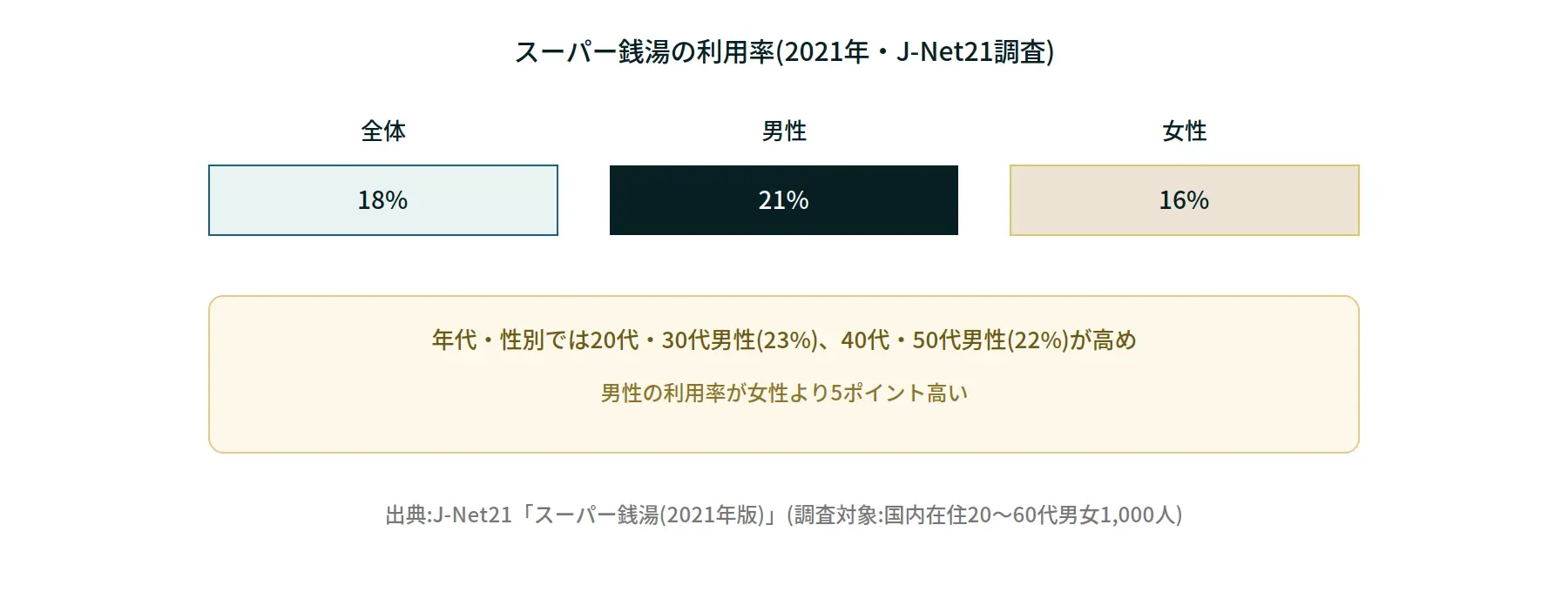
Regarding super sentō, J-Net21 conducted a survey of 1,000 people in 2021 (survey participants: 1,000 men and women in their 20s through 60s residing in Japan).The combined usage rate for those who “use them often” and those who “use them occasionally” was 18% overall, with 21% for men and 16% for women. When broken down by gender, the usage rate for men was 5 percentage points higher.Furthermore, by age and gender, the usage rate was relatively high among men in their 20s and 30s at 23%, and among men in their 40s and 50s at 22%.
However, this survey was conducted in 2021. It may not accurately reflect the current user demographics of hot spring facilities. In fact, Sogo Unicom’s 2026 edition includes a survey of current gender ratios and age groups across 154 facilities nationwide, but the detailed response data is provided as paid Excel files.Therefore, rather than making a blanket statement such as “hot springs and super sentos are used by people of this age group and gender,” it may be more important to examine the customer base of each individual facility.
Women and men may also have different information needs
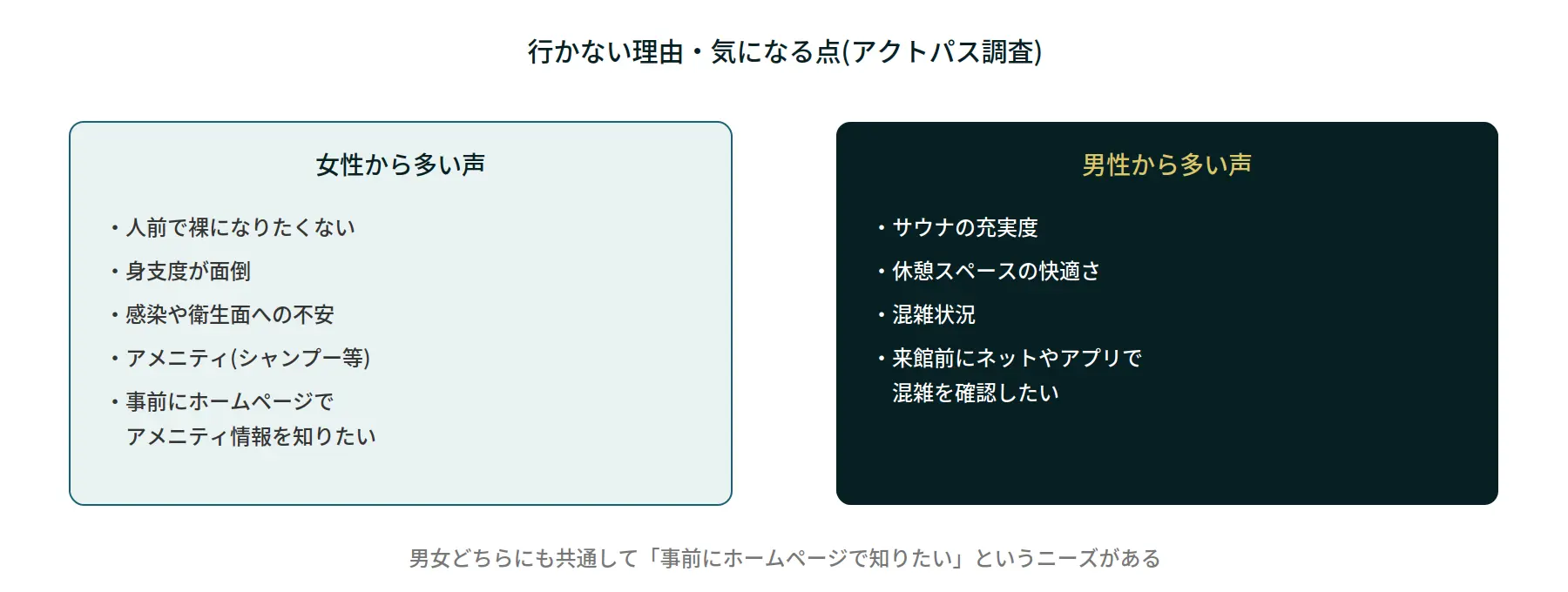
In the ActPass survey, when asked why they do not visit hot spring facilities, women relatively frequently cited reasons such as “I don’t want to be naked in front of others,” “getting ready is a hassle,” and “concerns about infection and hygiene.”Additionally, regarding amenities, women cited concerns about shampoo, makeup remover, and facial toner. On the other hand, men expressed opinions regarding saunas, rest areas, and crowd levels.
Of course, these preferences aren’t strictly divided by gender. However, this information does seem to provide useful insights into what first-time visitors might want to know in advance.Shampoo and conditioner, makeup remover, toner, hair dryers, towels, bathrobes, lockers, women-only areas, baby cribs, sauna crowding, and rest areas. Even information that might make you think, “Do we really need to list that?” could be exactly what first-time visitors want to know.
For Hot Springs, Highlight the “Water Quality”
One thing you don’t want to overlook on a hot spring facility’s website is the water quality. Rather than simply stating “natural hot spring,” there’s a range of information you can provide tailored to your facility—such as the specific water quality, water temperature, flow rate, whether the water is directly sourced from the spring, whether it’s heated or diluted, bathing characteristics, and what types of baths are available.
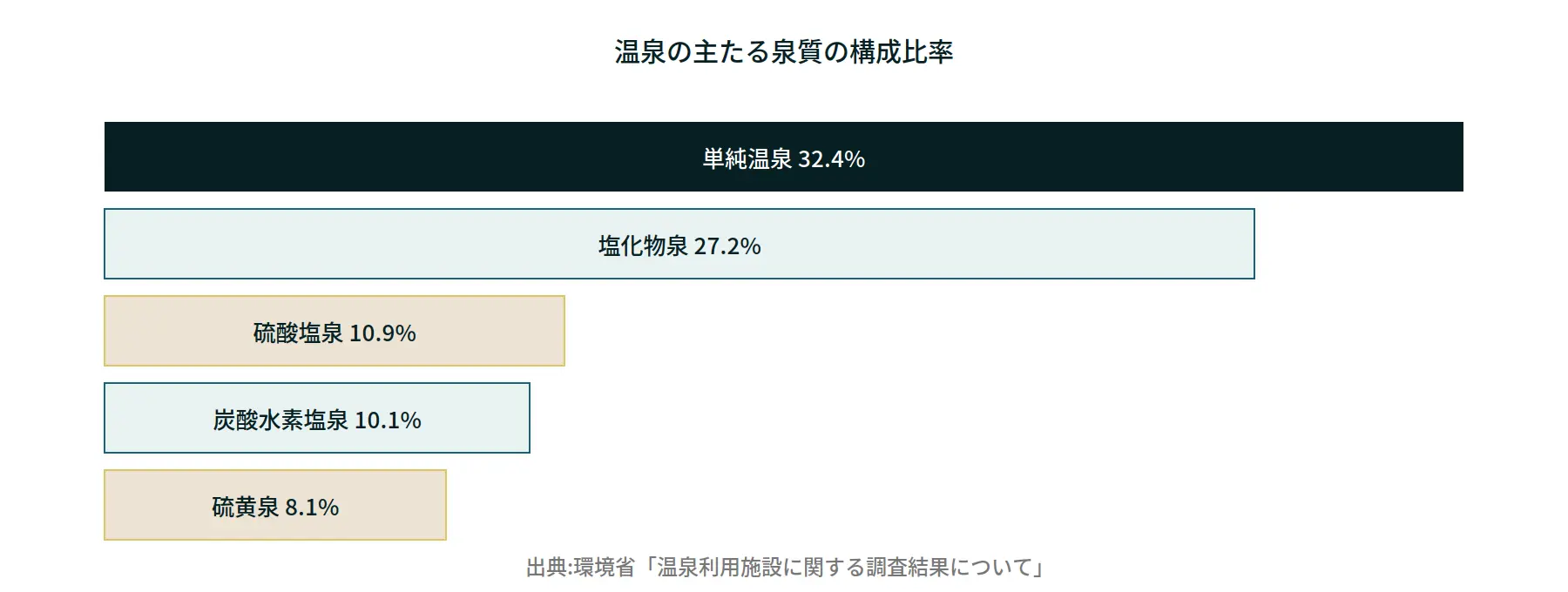
According to the Ministry of the Environment’s Survey on Hot Spring Facilities, the primary spring types are: simple hot springs (32.4%), chloride springs (27.2%), sulfate springs (10.9%), bicarbonate springs (10.1%), and sulfur springs (8.1%).Although this survey is quite old, it shows that hot springs come in a wide variety of water types and cannot be summarized simply as “hot springs.” However, simply listing the water types using technical terms may be a bit difficult to understand for people who aren’t familiar with hot springs. In addition to explaining the water types, it’s worth considering conveying “what the water is like” through photos and easy-to-understand language.
At Super Sento, “More Than Just the Baths” Is Important
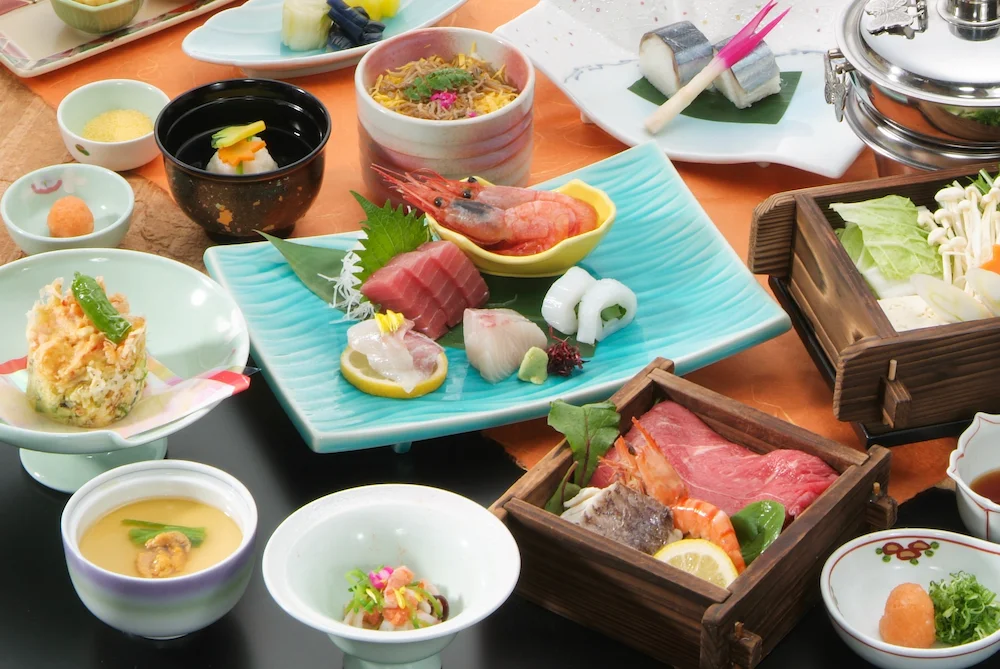
At super sentos, there are various ways to spend time at each facility—not just open-air baths and saunas, but also hot stone baths, outdoor relaxation areas, dining, cafes, massages, beauty treatments, rest areas, manga and reading areas, and kids’ play areas.
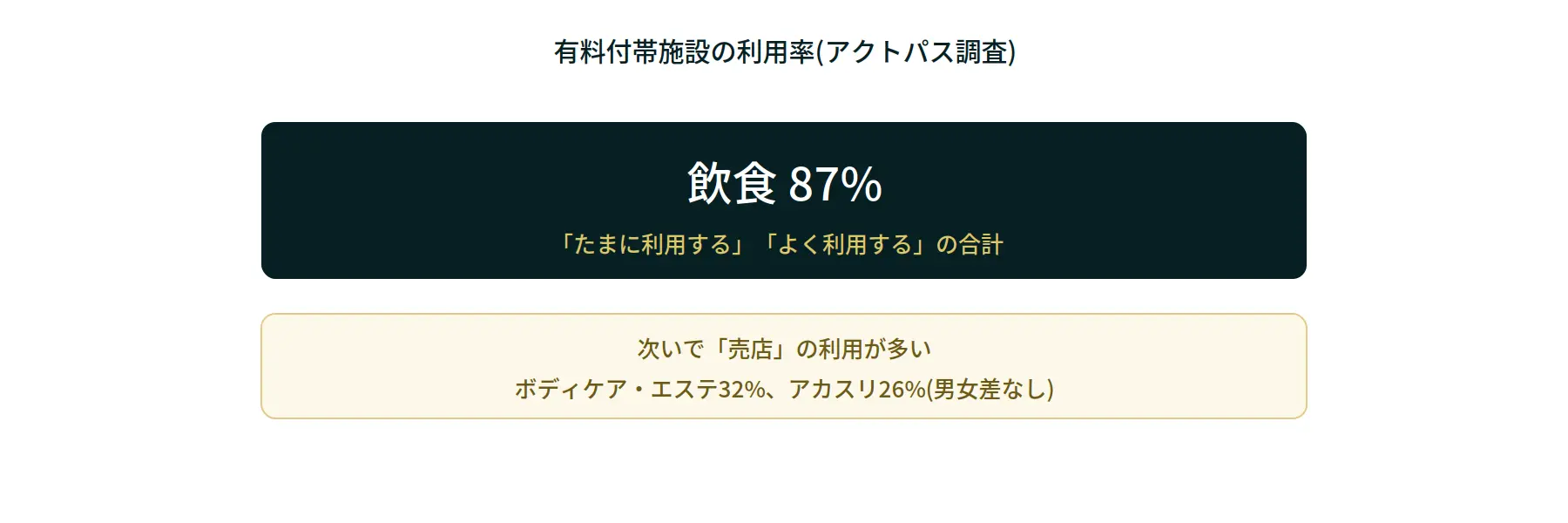
According to a survey by ActPass, “dining” was the most common use of paid ancillary facilities, with 87% of respondents indicating they “use it occasionally” or “use it often.”This shows that visitors to hot spring facilities are not just using the baths but also dining there. That’s why, depending on the facility, it’s important to go beyond simply posting a single photo of the baths on your website; you should show visitors “what kind of day they can spend here.”
Saunas and rest areas also add to a facility’s appeal
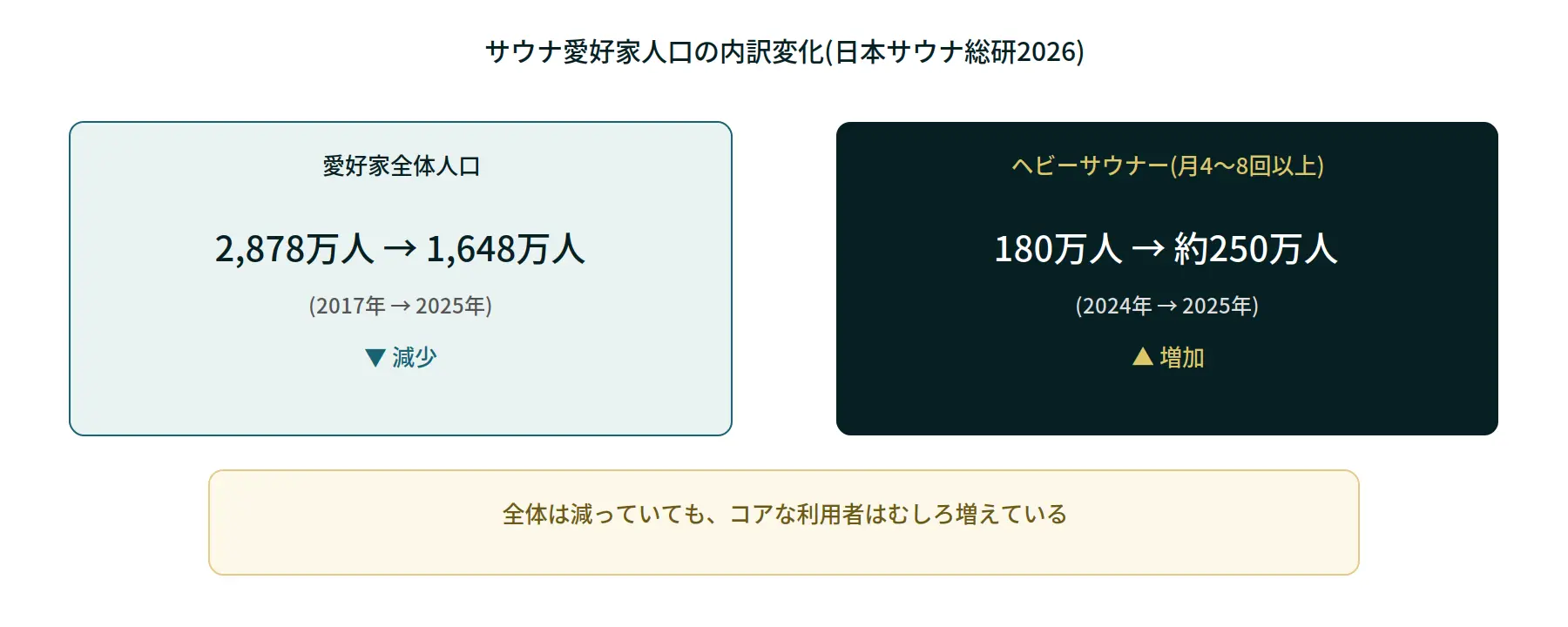
An increasing number of people are choosing hot spring facilities specifically for the saunas.According to the “2026 Survey on the State of Saunas in Japan” conducted by the Japan Sauna Research Institute in February 2026, the total population of sauna enthusiasts has decreased from 28.78 million in 2017 to 16.48 million in 2025.On the other hand, looking specifically at “heavy sauna users”—those who visit 4 to 8 times or more per month—the number reached approximately 2.5 million in 2025, up from 1.8 million the previous year. In other words, while the total number of people visiting saunas is declining, the core group of frequent visitors is actually growing.According to the same survey, “distance from home or work” was cited as the most common reason for returning to a sauna facility, followed by “admission fees,” “cleanliness,” and “crowding” (Japan Sauna Research Institute, “Survey on the Current State of Saunas in Japan 2026”).
ActPass’s survey also revealed many requests for improved rest areas, outdoor air baths, and relaxation spaces. Additionally, many male respondents called for measures to alleviate crowding, and some expressed a desire to check crowd levels online or via an app before visiting.
This type of information is well-suited for a website. Details such as sauna room temperature, cold plunge pools, outdoor air bath areas, sauna types, whether löyly sessions are offered, session times, crowd levels, and event information. If you go beyond simply stating “We have a sauna” and consider the information that people visiting specifically for the sauna want to know, the content of your page will change accordingly.
Consider “How Long Will Visitors Stay?”
The length of stay varies depending on the type of hot spring facility. According to an ActPass survey, the most common responses for length of stay were: one day at a hot spring resort, 90 minutes at a traditional public bath (sento), two hours at a super sento or day-trip hot spring, two hours at a dedicated sauna facility, and half a day at a health spa.Additionally, when broken down by gender, women tended to have longer stay durations.
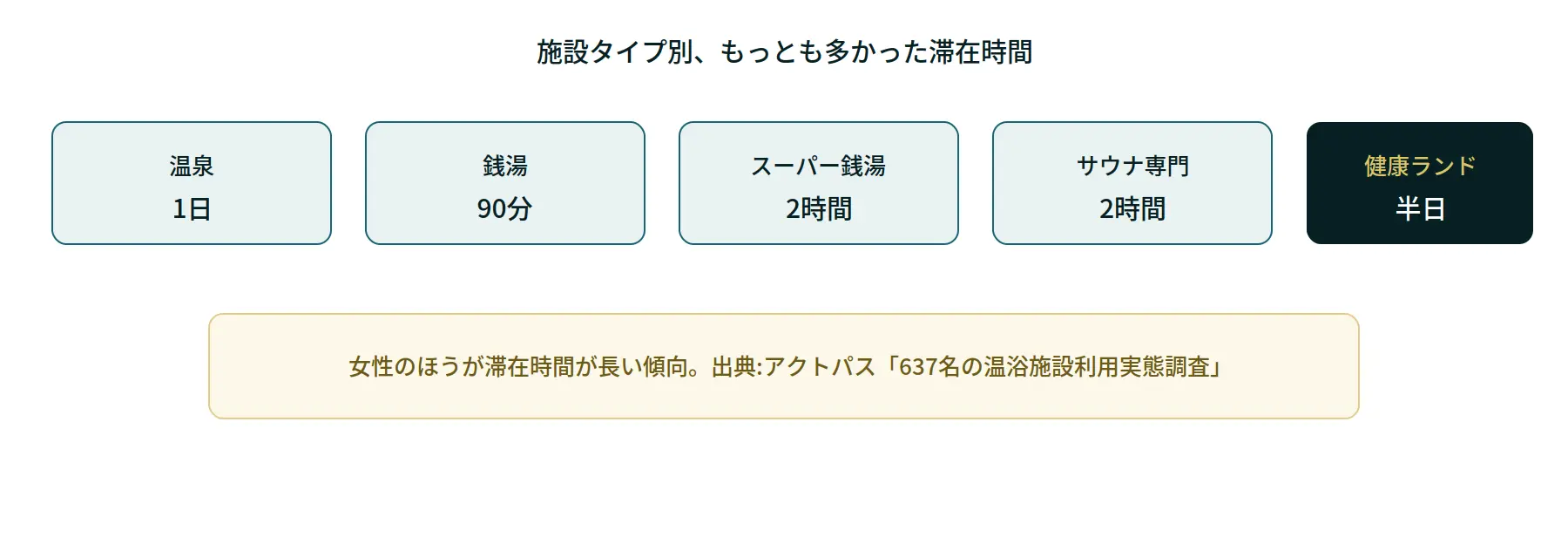
Of course, these are merely the responses of the survey participants. Even so, if you consider not just the “time spent bathing” but also the time spent eating, resting, and using the sauna, the content you should convey on your website is likely to change.
The Key Messages Vary Slightly for Hot Springs, Super Sento, and Public Baths
Even though they are all “bath facilities,” the key information featured on their websites differs slightly.
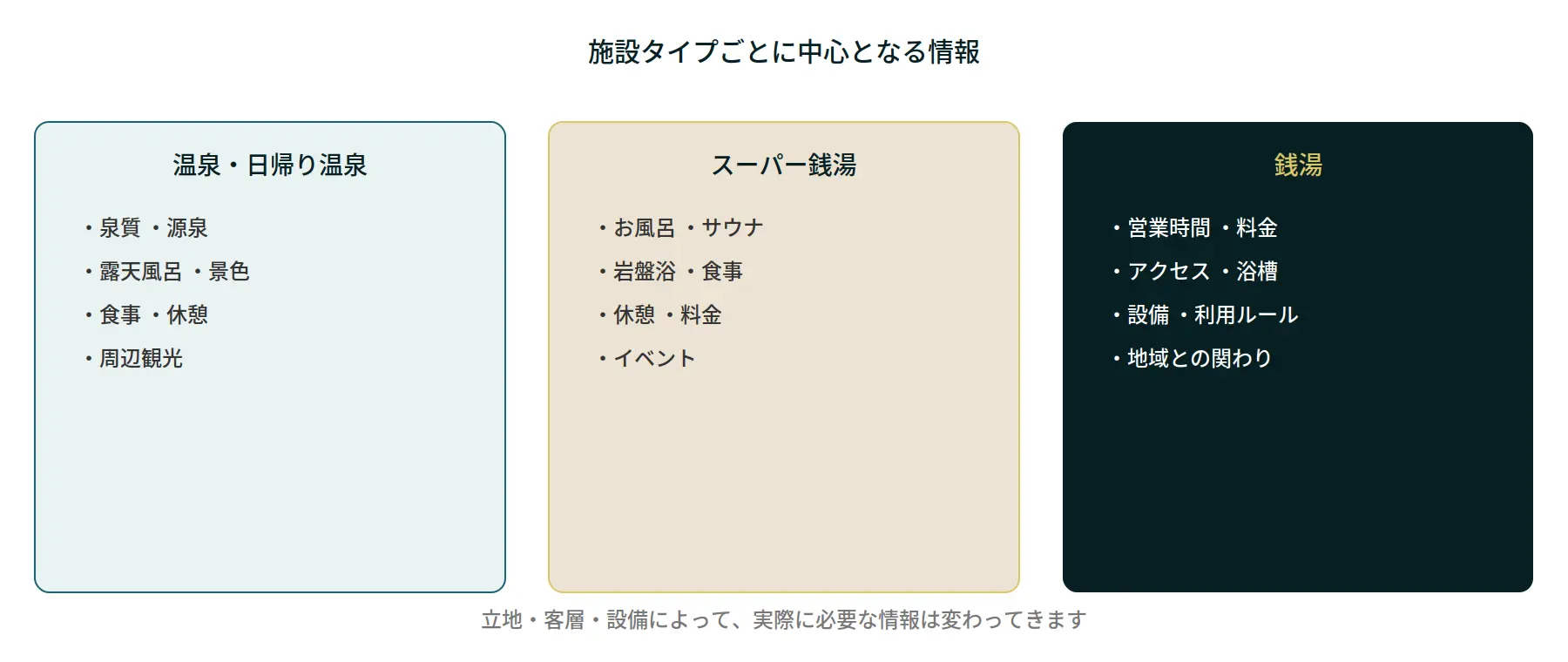
Facility | Examples of Information to Communicate |
Hot Springs & Day-Trip Hot Springs | Water quality, spring source, open-air baths, scenery, dining, rest areas, nearby sightseeing |
Super Sento | Baths, saunas, hot stone baths, dining, rest areas, prices, events |
Public Baths | Hours, Fees, Access, Baths, Facilities, Rules, Community Involvement |
Of course, not all facilities fit this exact description. The information required varies depending on the facility’s location, clientele, and amenities.
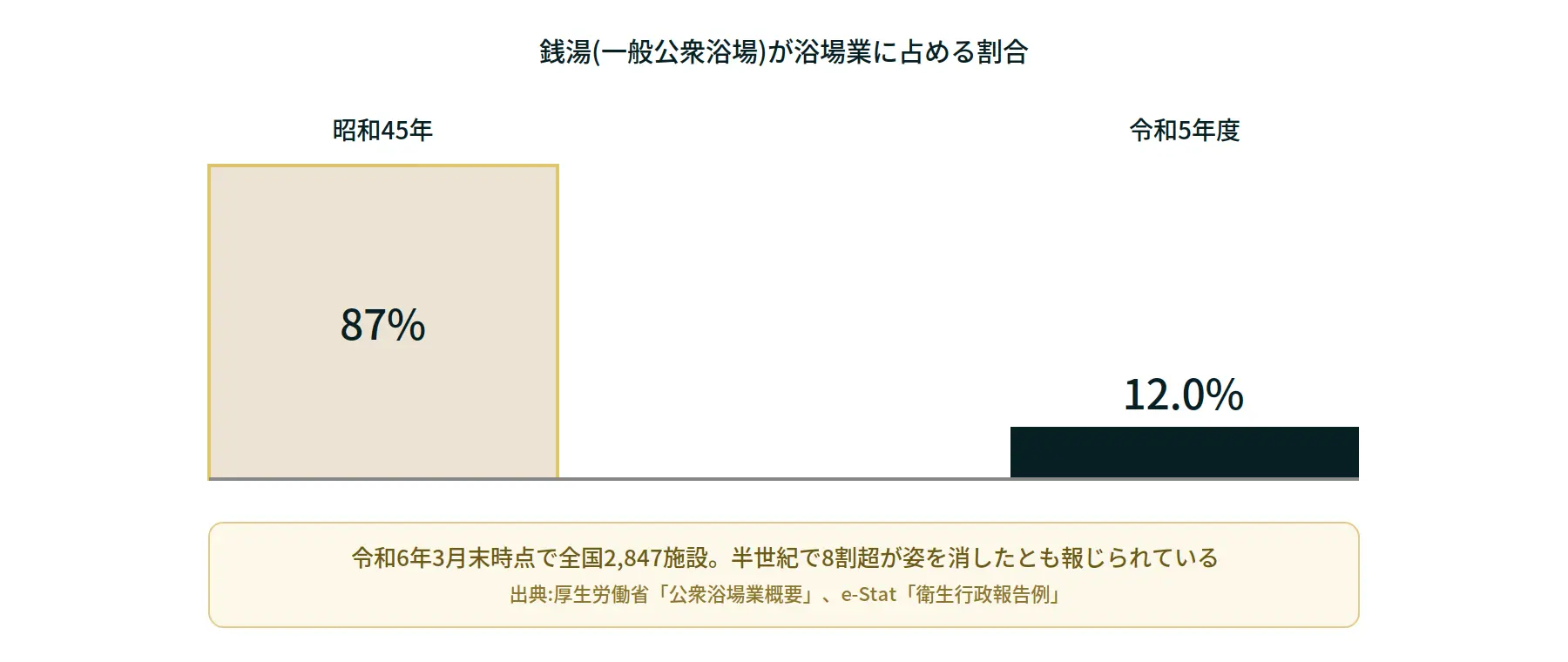
Sento, in particular, have slightly different circumstances compared to the other two types. According to the Ministry of Health, Labor and Welfare’s “Overview of the Public Bathhouse Industry,” as of the end of March Reiwa 6, there were 2,847 “general public bathhouses (sento)” nationwide, including both public and private facilities.In Showa 45, general public bathhouses accounted for 87% of the entire bathhouse industry, but by fiscal year Reiwa 5, that figure had dropped to 12.0% (Ministry of Health, Labor and Welfare, “Overview of the Public Bathhouse Industry”).More detailed trends in the number of facilities are published annually on “e-Stat,” the government statistics portal operated by the Statistics Bureau of the Ministry of Internal Affairs and Communications, as part of the Ministry of Health, Labor and Welfare’s “Sample Reports on Sanitary Administration” (e-Stat “Sample Reports on Sanitary Administration”).An article published in 2026 reported, based on the Reiwa 6 “Public Health Administration Report,” that the number of public bathhouses nationwide had fallen to 2,730, meaning that over 80 percent had disappeared in half a century.It has been pointed out that the reasons behind this trend include the widespread adoption of baths in private homes, the aging of the facilities, and the aging of the owners; in recent years, soaring heavy oil prices and rising inflation have also compounded the problem (Yahoo! News, “Public Bathhouses: 80% Disappeared in Half a Century” (Asahi Shimbun)).
That is precisely why, for community-rooted public bathhouses, a website can mean much more than just an introductory page. Even among those who live nearby, there are quite a few who are actually unaware of the bathhouse’s operating days or facilities. Simply being able to quickly find out “Is this public bathhouse still open?” or “What time does it close?” should significantly lower the barrier to visiting.
Average Website Development Costs for Hot Springs and Super Sento
Website development costs vary significantly depending on the number of pages, photography, systems for reservations and crowd information, and update functionality. As a rough guide, here’s an example of what to expect:
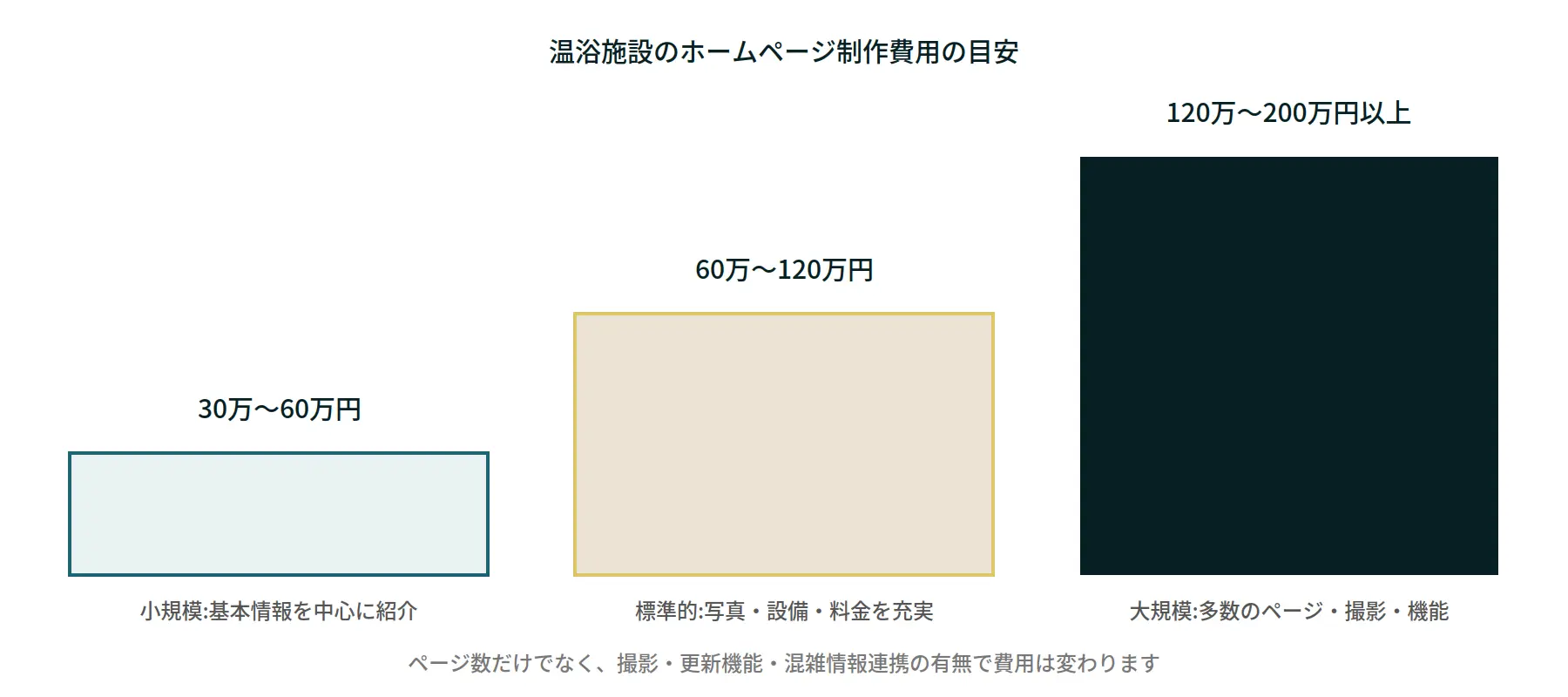
Project Scale | Estimated Cost | Features |
Small Scale | Approximately 300,000 to 600,000 yen | Focuses on introducing basic information |
Standard | Approximately 600,000 to 1,200,000 yen | Comprehensive coverage of photos, amenities, rates, and facility details |
Large-scale | 1.2 million to 2 million yen or more | Numerous pages, professional photography, and features such as booking and content update functionality |
However, in the case of hot spring facilities, it’s not as simple as saying “the cost is high because there are many pages.” Costs vary depending on factors such as whether professional photography is required, whether staff need to be able to update the site, how event information will be managed, and whether the site will integrate with real-time occupancy data or a reservation system.
The Process of Creating a Hot Spring Facility Website
If you’re considering commissioning a website, you’re probably wondering what the process will look like. While the order of steps may vary depending on the facility’s size and specifics, the general workflow is as follows.
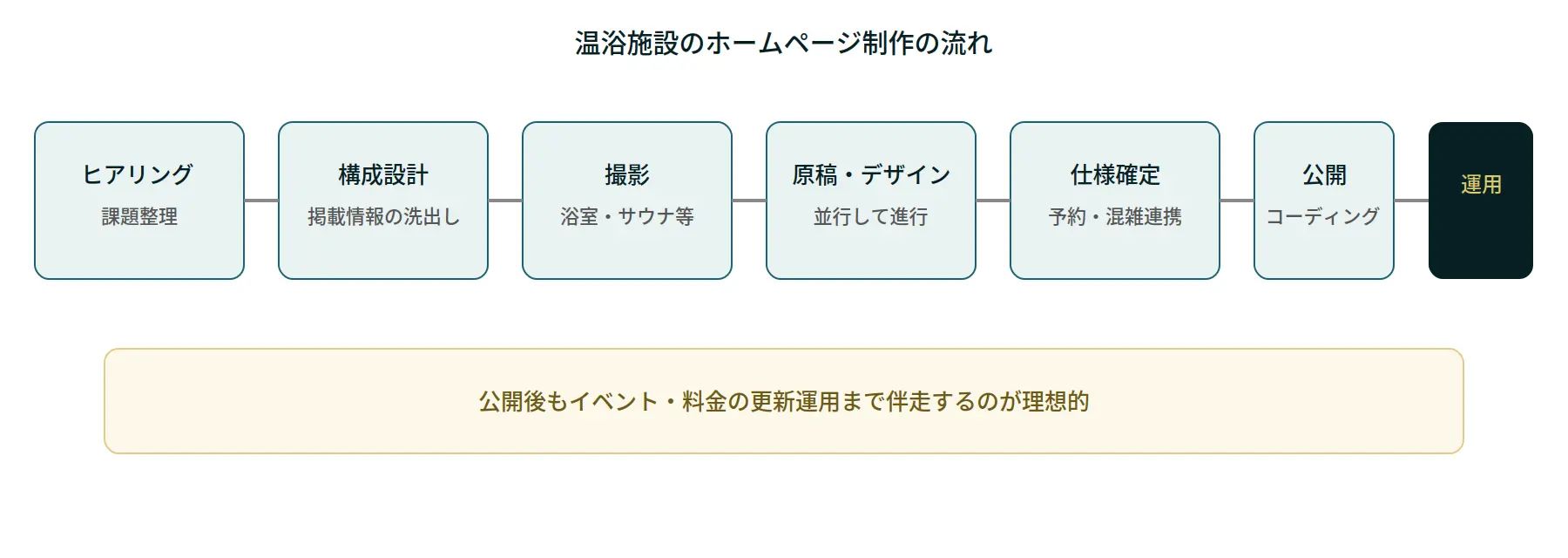
First, during a consultation, we’ll identify the facility’s unique features, target audience, and current challenges. Next, we’ll outline the site’s structure while compiling the information to be included—such as water quality, facilities, and pricing structures. Following that, we’ll conduct a photo shoot to gather images that effectively showcase the facility’s appeal, including the bathing areas, saunas, and rest areas. While the photo shoot is underway, we’ll draft the content and move on to the design phase.If integration with a reservation system or real-time occupancy data is required, we finalize the specifications at this stage. Even after the site goes live following coding, the ideal approach is to continue working closely with you—including managing updates to event information and pricing.
Photography is extremely important
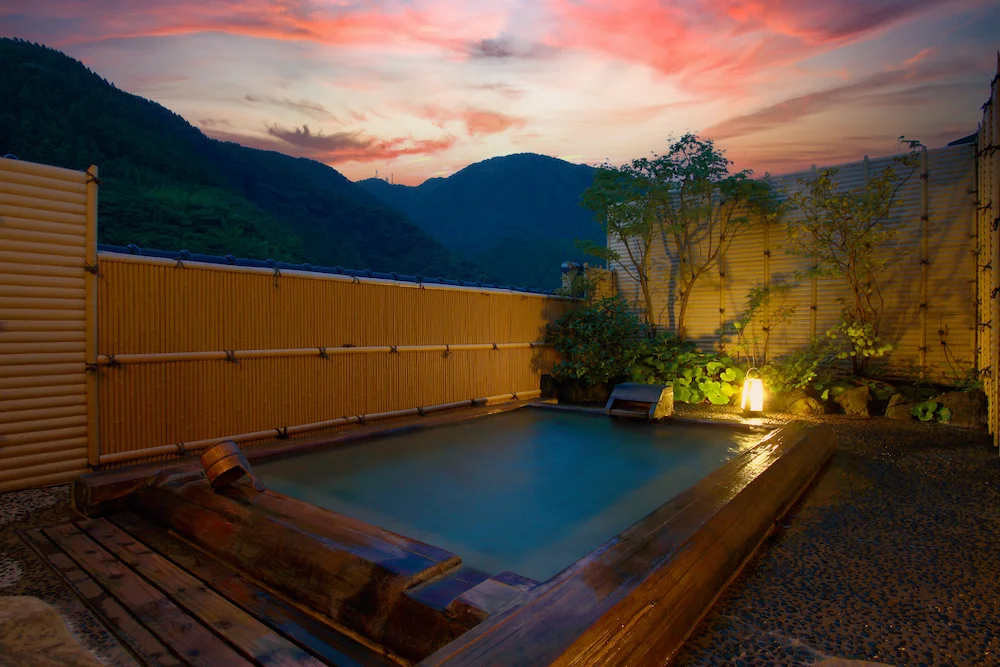
There are aspects of hot spring facilities that are difficult to convey through text alone.Rather than simply writing, “We have an open-air bath,” it may be easier for potential visitors to understand if they can see a photo showing “what kind of view the open-air bath offers.” Similarly, showing photos of the bathing areas, open-air baths, saunas, cold plunge pools, hot stone baths, dining areas, rest areas, and the overall atmosphere of the facility makes it easier for visitors to imagine “what it will be like when they visit.”
“Ease of Finding” Information Is Key for Prices and Hours
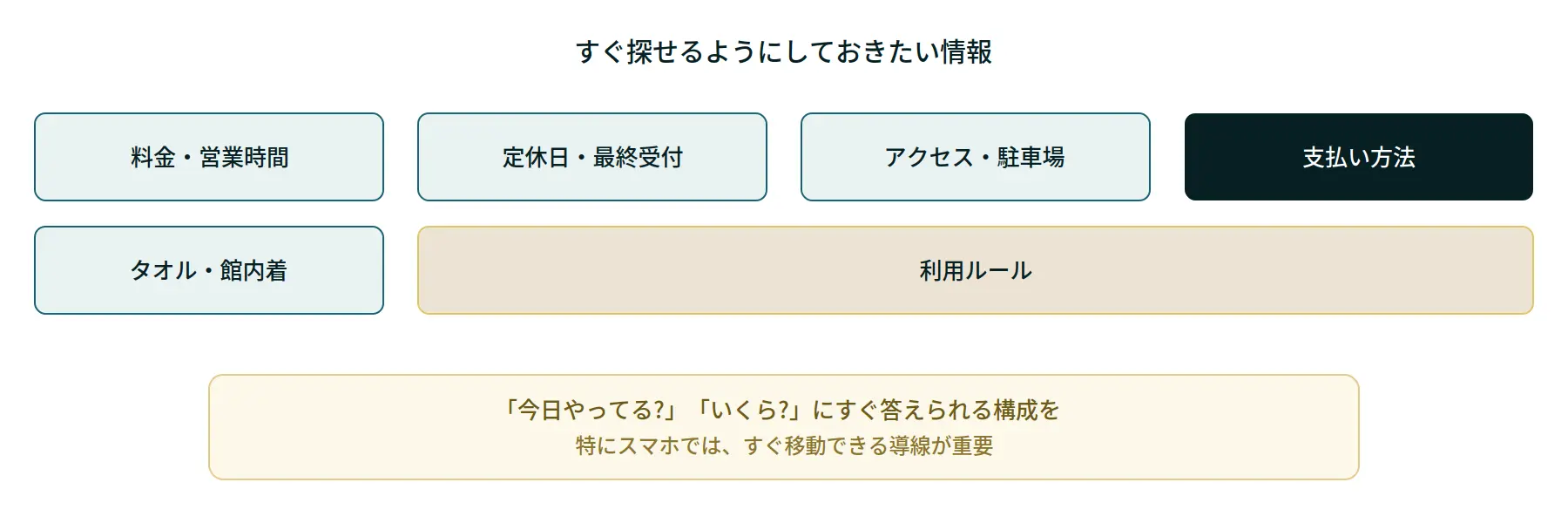
People visiting a hot spring facility’s website don’t necessarily want detailed information about the facility. “Is it open today?” “How much does it cost?” “Do I need to bring a towel?” “What time does it close?”“Is there parking?” Some visitors access the site with very specific questions like these. Therefore, it’s important to make information on prices, operating hours, closed days, last admission times, directions, parking, payment methods, towels and bathrobes, and usage rules as easy to find as possible. Especially on smartphones, it’s important to design the site so users can jump directly to the information they need, rather than having to scroll through the homepage for a long time.
Is it really necessary to “put everything on the homepage”?
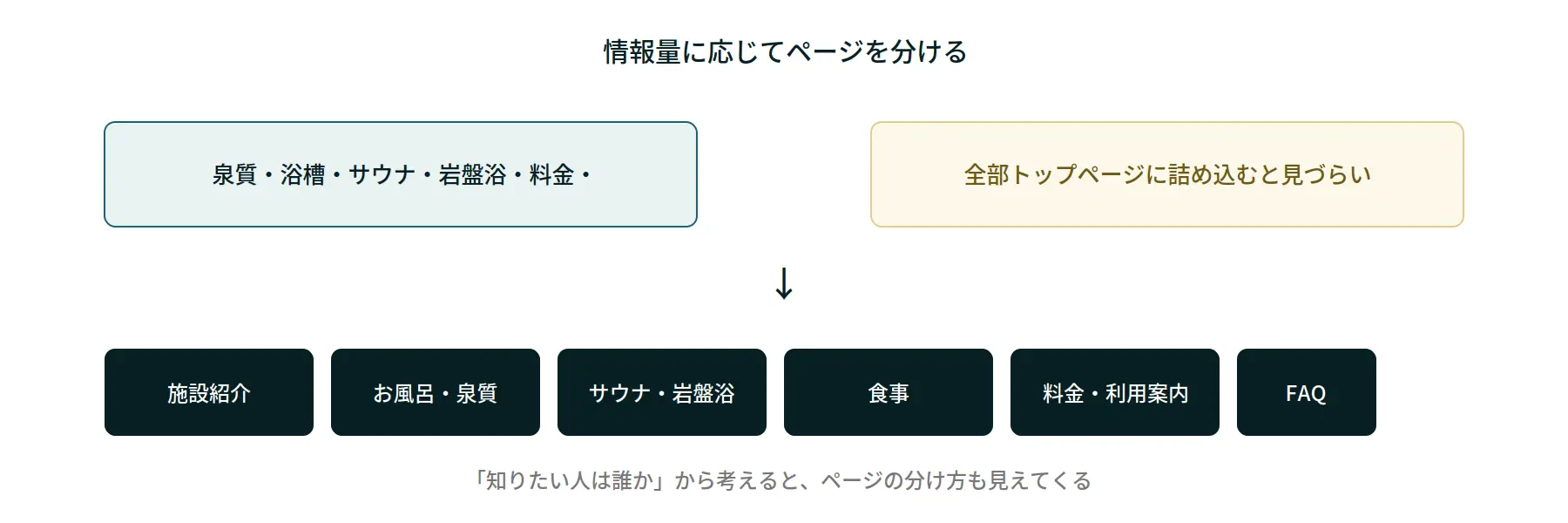
Hot spring facilities tend to have a lot of information to share: water quality, baths, saunas, hot stone baths, prices, dining, events, directions, and FAQs. Cramming all of this onto the homepage can actually make it harder to read.It might be better to organize the content into sections such as: Facility Overview, Baths & Spring Water Quality, Saunas & Hot Stone Baths, Dining, Prices & Visitor Information, Events, Access, and FAQs. If there’s a lot of necessary information, splitting it across multiple pages—rather than cramming it all onto a single page—can actually make the site easier to understand.When creating a website, rather than trying to “include every piece of information possible,” it might be easier to organize the content if you start by asking, “Who is the person who wants to know this information?”
Common Mistakes on Hot Spring, Super Sento, and Public Bathhouse Websites
Based on what we’ve covered so far, let’s take a look at some common mistakes we frequently see. First, here’s a list.
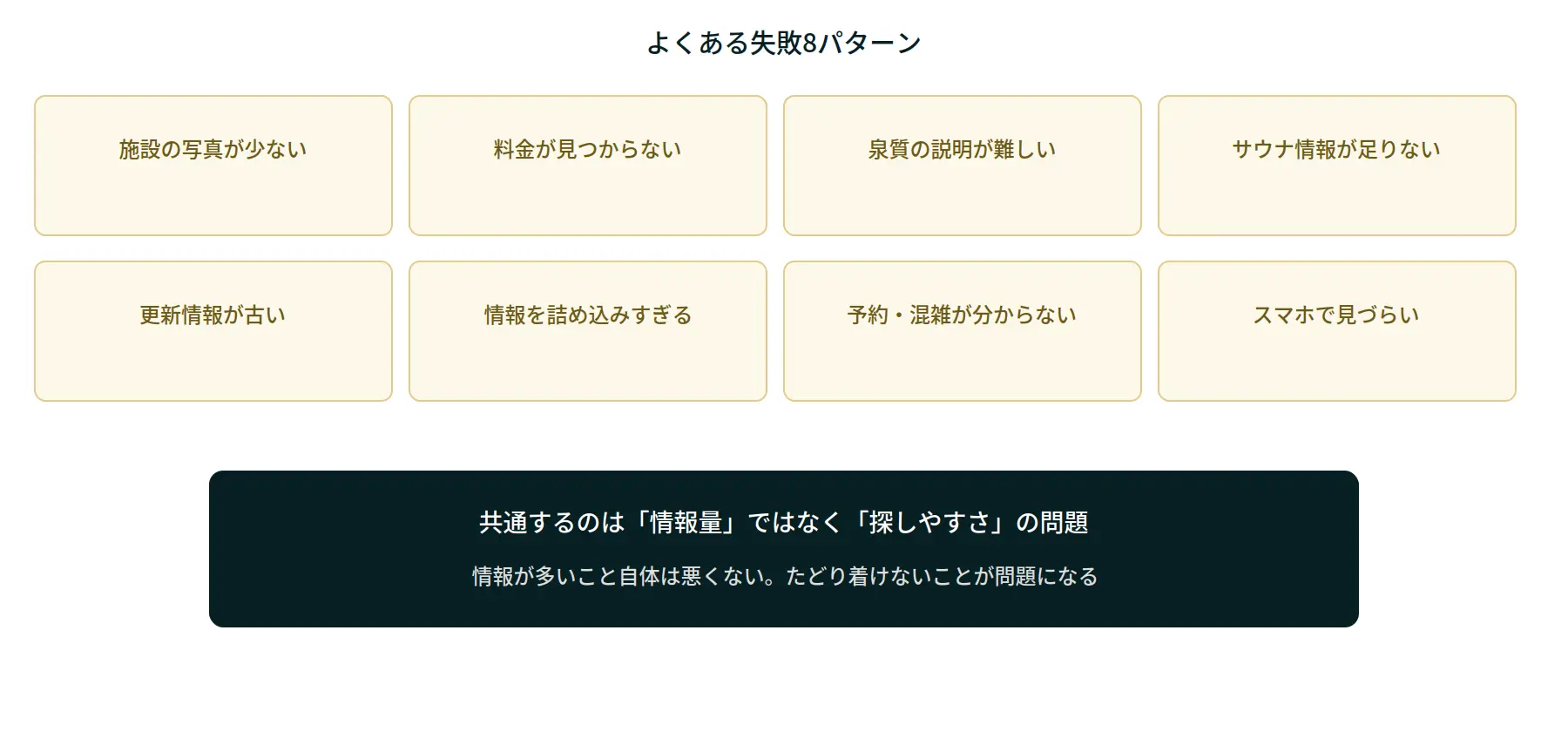
Mistakes | Content |
Too Few Photos of the Facility | Although there are many facilities, there are few photos, making it hard to get a sense of the actual atmosphere |
Prices Cannot Be Found | I can’t find the pricing page even after searching the homepage |
The description of the spring’s properties is hard to understand | There are lots of technical terms, but in the end, I don’t understand what kind of hot spring it is |
There isn’t enough information about the sauna. | Information that sauna-goers want to know—such as temperature, cold plunge pools, and open-air bathing—isn’t included |
The information is out of date | Information on events, closure dates, and fees remains outdated |
Too much information is crammed onto the page | By trying to fit all necessary information onto a single page, it has actually become harder to find what you’re looking for |
It’s unclear whether reservations are required or how busy the facility is | It’s unclear how available the venue is right now or whether a reservation is required |
Difficult to view on a smartphone | The text is too small, it’s hard to tap, tables are misaligned, and the site is generally difficult to use on a smartphone |
Let’s take a closer look at each of these points.
There are few photos of the facility
Even though there are plenty of facilities, there are few photos, so it’s hard to get a sense of the actual atmosphere. This is a particularly common mistake seen on hot spring facility websites.Even if there are attractive facilities—such as open-air baths, saunas, and rest areas—if there are only a few photos, or if the photos are dark and hard to make out, less than half of their appeal comes across. For first-time visitors, it’s not enough to think, “I’ll understand once I get there”; they need to “understand before they go.” That’s what motivates them to visit.
Prices Are Hard to Find
You search the homepage but can’t find the pricing page. For people thinking, “Maybe I’ll go today,” not being able to find the prices right away is quite stressful. It’s important to present a clear, easy-to-understand list that includes not only the admission fee but also optional charges for towel rentals, bathrobes, and hot stone baths.
Difficult-to-Understand Explanations of Spring Quality
There’s plenty of technical jargon, but in the end, it’s still unclear what kind of hot spring it actually is. While it’s important to accurately list the water quality classification, that alone won’t resonate with people who aren’t familiar with hot springs. By pairing technical terms with descriptions of the sensory experience—such as “makes your skin silky smooth” or “warms you to the core”—you can create a page that speaks to both experts and first-time visitors alike.
Insufficient Sauna Information
Information that sauna enthusiasts want to know—such as temperature, cold plunge pools, and outdoor cooling areas—is missing.People who choose a facility specifically for the sauna tend to have higher expectations for information than general bathers. By including detailed information—such as the temperature of the sauna room, the temperature of the cold plunge pool, whether löyly or Aufguss is offered, and what the outdoor cooling area is like—you’ll more easily gain the trust of sauna enthusiasts.
Outdated Information
Information on events, closure dates, and fees remains outdated. In particular, the bottom of the homepage or the “Announcements” section often contains information that hasn’t been updated for years. This can lead to concerns such as, “Is this place even still open?” Setting up a system that allows you to easily update this information yourselves is a simple yet crucial step.
Overloading the page with information
Trying to fit all necessary information onto a single page actually makes it harder to find what visitors are looking for. For hot spring facilities, the problem isn’t necessarily the sheer volume of information itself, but rather the difficulty in locating the specific details visitors need. You should focus on “ease of use” rather than the “volume” of information—for example, by splitting content across pages, organizing headings, or providing a table of contents.
Unclear Reservation and Crowding Status
Visitors can’t tell how busy the facility is right now or whether a reservation is required. With the sauna boom, the demand for knowing crowd levels in advance is growing year by year. Even if the information isn’t real-time, simply providing guidelines like “Weekends tend to be crowded” or “Weekday mornings are relatively quiet” is helpful enough for visitors.
Difficult to View on a Smartphone
The site is difficult to use on smartphones—the text is too small, elements are hard to tap, and tables are misaligned. When people want to check things like “Are you open today?” or “How much does it cost?”, they almost always search for the information right then and there on their smartphones. It’s surprisingly common for a price list to appear distorted on a smartphone or for a phone number to be unclickable—even if the site looks fine on a computer.It’s essential to check the site on an actual device before going live.
A website isn’t just a “facility introduction”—it’s also a “guide for visitors before they arrive”
When visiting a hot spring or super sentō for the first time, visitors may have various questions, such as: “What should I bring?” “Are robes provided?” “Is it easy for a woman to go alone?” “What’s the minimum age for children?” or “Is the sauna crowded?”
I don’t think the website needs to answer every single question. However, by organizing frequently asked questions and common points of confusion for first-time visitors, the website can evolve from simply “introducing the facility” to serving as a “pre-visit information center.”
For international visitors, hot springs are a quintessential “must-visit tourist attraction.”
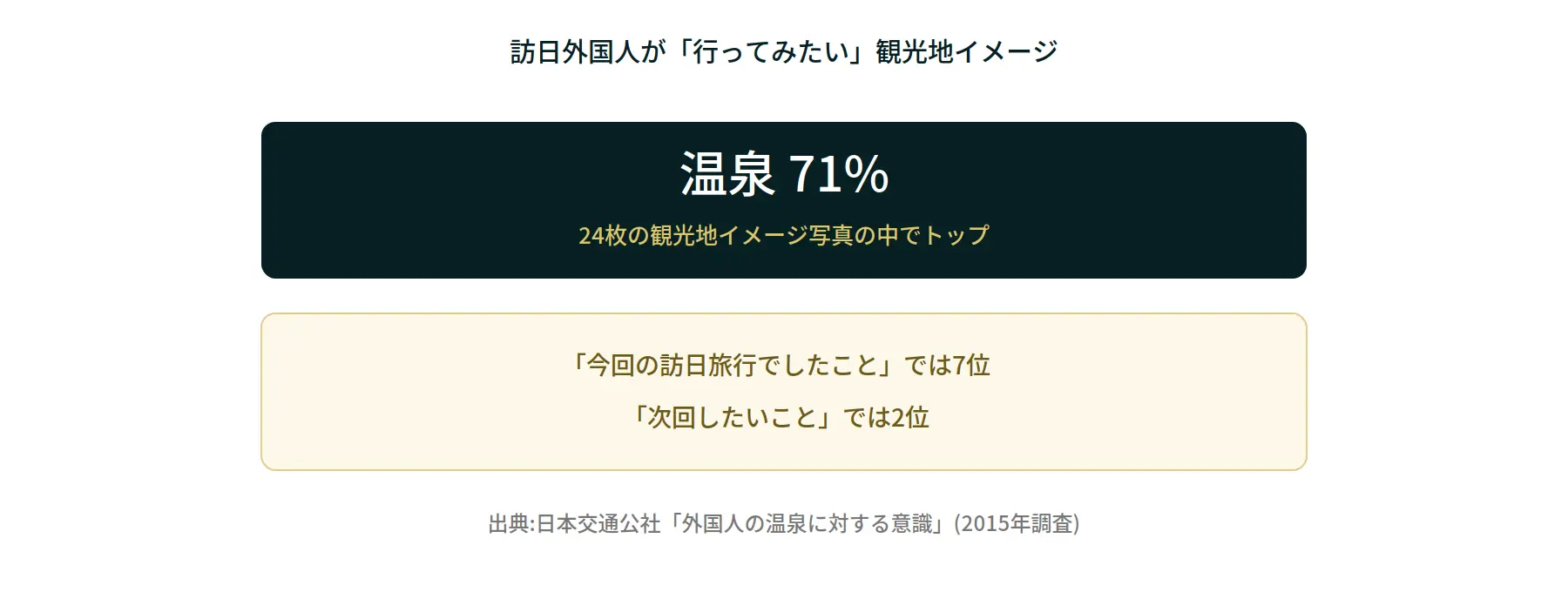
In the “DBJ-JTBF Survey on the Preferences of Inbound Foreign Tourists in 8 Asian Regions,” conducted jointly by the Japan Travel Bureau (JTB Research Institute) and the Development Bank of Japan (DBJ), respondents were asked to select “Japanese tourist destinations they’d like to visit” from a set of 24 photos of tourist spots. Hot springs topped the list with 71% of the votes.In the Japan Tourism Agency’s “Survey on Consumption Trends of Inbound Foreign Visitors,” hot springs ranked 7th in the category “Things Done During This Trip to Japan,” but rose to 2nd place in the category “Things I Want to Do Next Time” (Japan Travel Bureau, “Foreign Visitors’ Perceptions of Hot Springs”).Although this 2015 survey is somewhat dated, the pattern—where hot springs are the most popular yet many people have not yet experienced them—still seems relevant today.
However, even for those who are interested, there are barriers to actually taking that first step. We often hear concerns such as not being accustomed to bathing naked, not knowing the etiquette in the changing rooms or bathing areas, or anxiety about whether they can bathe if they have tattoos.While not every facility needs to offer multilingual support, providing information in English—even if it’s just about the bathing process, etiquette, and the facility’s policy on tattoos—might give those who are interested the push they need to give it a try.
Don’t Forget to Ensure Consistency with Your Google Business Profile
This strays slightly from the topic of the website itself, but when it comes to attracting customers to hot spring facilities, integration with Google Business Profile (the information displayed on Google Maps) is essential. It may seem like a small detail, but it has a significant impact.
First and foremost, it’s crucial to ensure that the facility name, address, and phone number (commonly known as NAP information) match perfectly between your website and your Google Business Profile.Even minor differences—such as whether “Co., Ltd.” is included, variations in address formatting, or the presence or absence of hyphens in phone numbers—can make it difficult for Google to recognize them as the same facility. It’s a good idea to review the information on your Google Business Profile at the same time you’re redesigning your website.
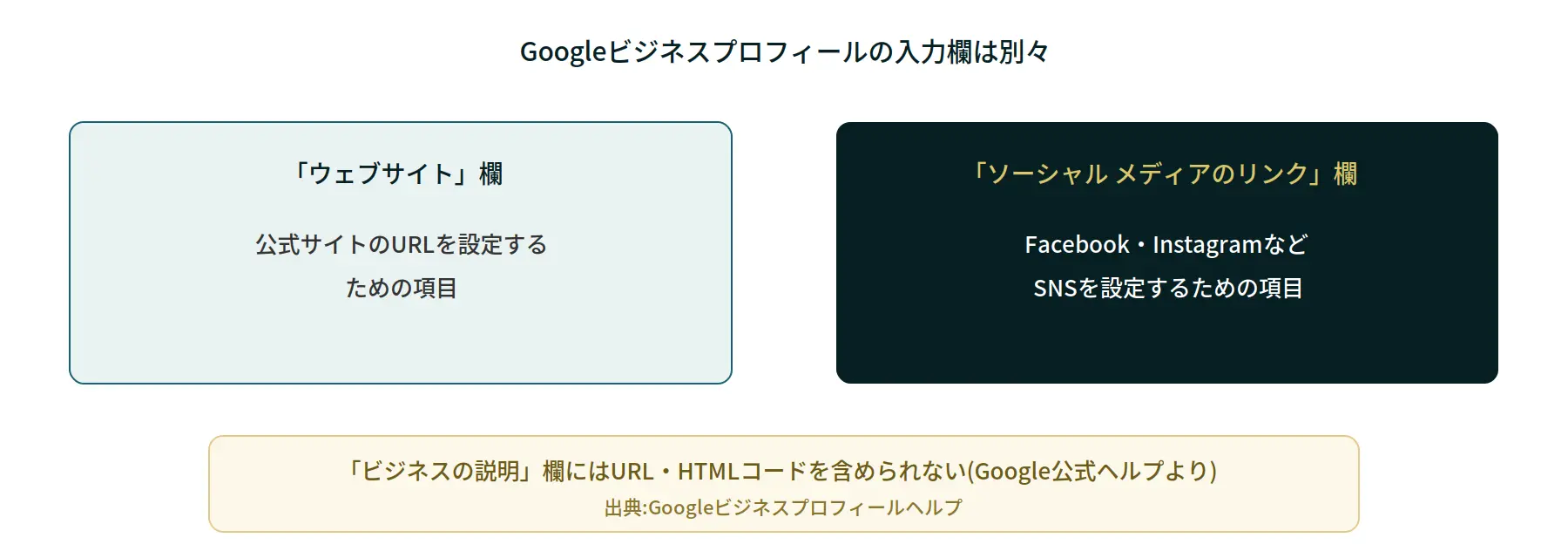
There’s another point that’s surprisingly often overlooked. Google Business Profile has separate fields for “Website” and “Social Media Links” (see Google Business Profile Help: “Edit your business profile” and “Manage social media links”).Since the system is designed to have social media accounts listed in their own dedicated fields, the proper way to use these sections is to enter the official website’s URL in the “Website” field and social media links in the “Social Media Links” field. Furthermore, Google’s official help explicitly states that “you cannot include URLs or HTML code” in the business description field.This means that the common practice of “including a link to the homepage within the description” is not permitted by the specifications in the first place. If you have an official website, the basic rule is to correctly configure each entry in the designated fields.
Points to Consider When Choosing a Production Company
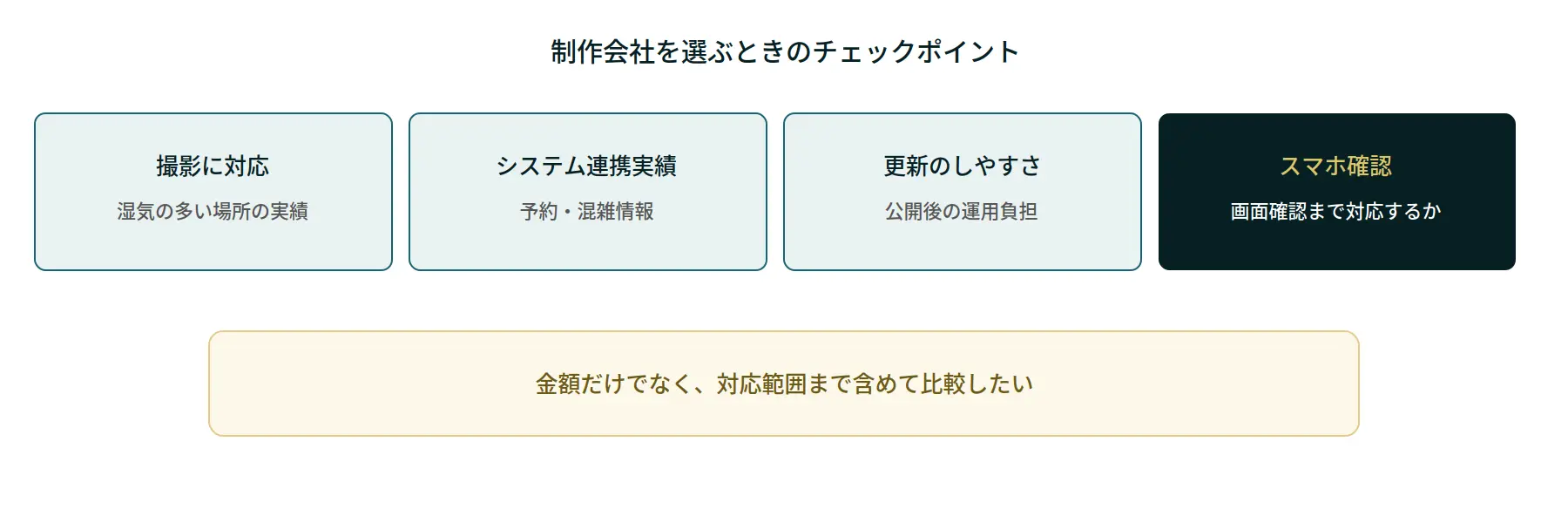
Whether they can handle photography
For hot spring facility websites, the quality of the photos greatly influences the overall impression. Check whether photography is an additional fee or included in the package. It’s also a good idea to confirm whether the agency has experience photographing in humid environments, such as bathhouses and saunas.
Track Record of Integration with Reservation and Crowd Information Systems
If you want to implement a system to display crowd levels or handle reservations, what can be achieved depends on the agency’s experience with integrating external services and APIs. If you have a specific system in mind, it’s best to discuss it early on to ensure a smooth process.
Ease of Updates After Launch
Event information, pricing, and closure dates are areas that require relatively frequent updates. The operational burden after launch varies significantly depending on whether the system allows you to update these yourself or if you must request the development company to do so each time.
Do They Check How the Site Looks on Smartphones?
As mentioned earlier, websites for hot spring facilities tend to receive the majority of their traffic from smartphones. When reviewing the design, one key factor to consider is whether the development company will check not only how the site looks on a computer screen but also how it appears on a smartphone.
Frequently Asked Questions About Website Development for Hot Springs, Super Sento, and Public Baths
Can we take the photos ourselves?
There’s no problem with using your own existing photos. However, due to humidity and lighting conditions in areas like the bathing areas and saunas, photos taken with a smartphone may come out dim. Many facilities consider having a professional photographer take at least the main photos to be used on the site.
Can we update event information and pricing ourselves?
In most cases, we can set up the system to make updates easy. We recommend designing the site to suit the update frequency and the IT skills of the person in charge—whether you want to update it like a blog or just replace specific sections.
Is multilingual support necessary?
It depends on the location and customer base. For facilities near tourist attractions or those expected to attract foreign visitors, it’s helpful to have a page explaining customs unique to Japan, such as bathing etiquette and rules regarding tattoos. It’s not necessary to translate every page into multiple languages from the start; you can begin by translating only the necessary sections.
Insights Gained from Analyzing the Data
We’ve looked at a number of survey data sets so far. Finally, I’d like to share my thoughts after comparing them side by side.
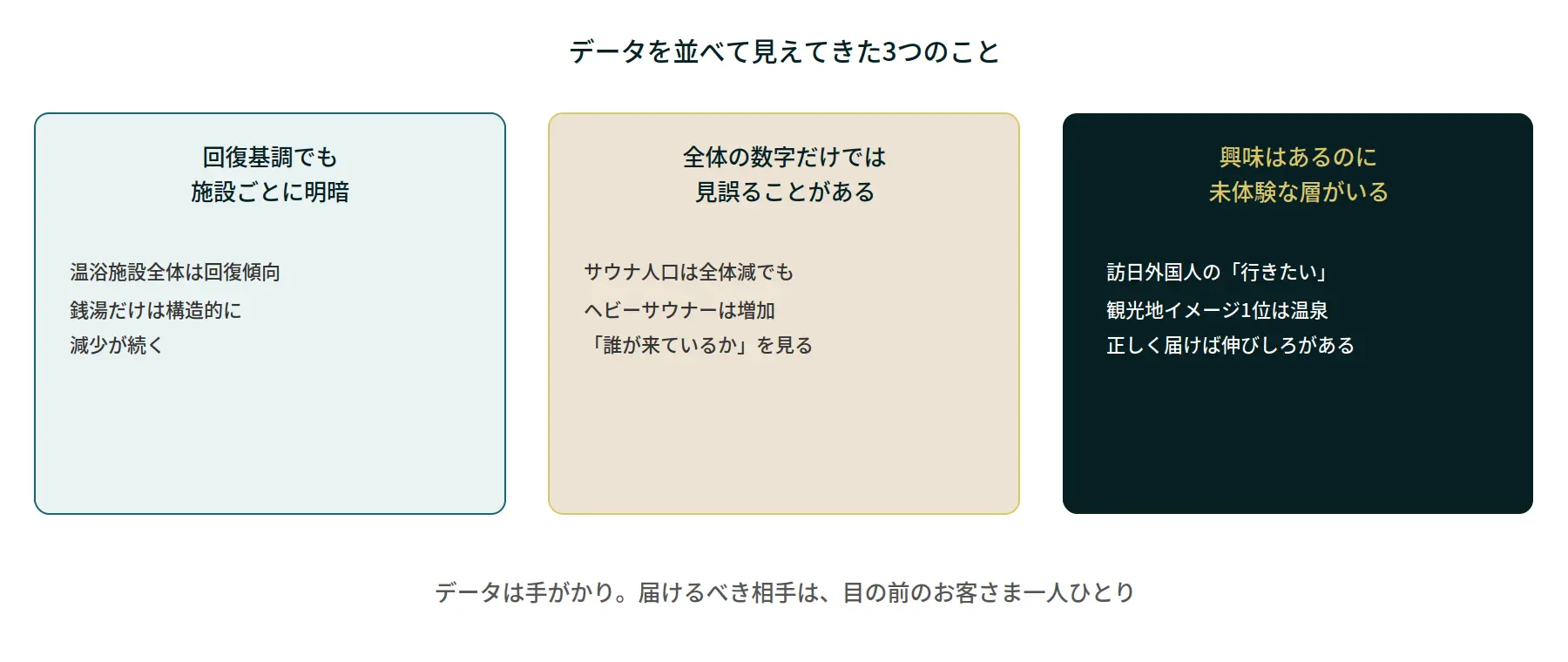
First, while the industry as a whole is on a recovery trajectory, the situation varies significantly depending on the type of facility. The total number of visitors to hot spring facilities is recovering from the COVID-19 pandemic, and there is steady demand for super sentō and day-trip hot springs.On the other hand, public bathhouses alone face structural challenges—such as the widespread use of home baths and an aging ownership base—and continue to decline in number for reasons unrelated to the broader recovery trend. Even though they are all categorized as “bath facilities,” their circumstances are entirely different.
Second, the data on saunas taught me the lesson that “looking only at the overall numbers can lead to misjudgments.”Although the total number of sauna enthusiasts is declining, the number of “heavy sauna users”—those who visit several times a month—is increasing. If we were to conclude that “since the sauna user base is shrinking, we don’t need to focus on it,” we would end up overlooking the core group of customers who actually drive visit frequency. I believe this underscores the need to look not only at the overall numbers but also at who is actually coming to the facilities.
Furthermore, data on foreign tourists revealed a pattern: “Many people are interested but haven’t yet tried it.” While hot springs rank first among tourist destinations people want to visit, not that many have actually experienced them. Put another way, this means there’s still room for growth if we can convey the right information.
When we look at these figures, we realize that, rather than worrying about “what will happen to the industry as a whole,” the most direct path forward is to examine “what kind of people are visiting our facility—and why (or why they aren’t visiting).” Nationwide figures are, after all, merely broad trends.The people we should truly be reaching through our website are the individual guests right in front of us. Data is a clue—not the answer itself. That’s the mindset we hope to bring to our work with these numbers.
A website that conveys “what kind of experience you can have here”
For websites of hot springs, super sentos, and traditional public baths, it’s important to convey not only basic information like prices and hours of operation, but also the unique appeal of the facility—such as the quality of the spring water, the baths, saunas, dining options, and rest areas.
Furthermore, the user base is not uniform. Men and women may seek different information, and the purpose of a visit can vary by age group. That’s why, rather than deciding, “If it’s a hot spring facility website, we should just include this information,” it’s better to start by asking, “What kind of people visit our facility, and what do they want to know?” Then, place the necessary information exactly where it’s needed.If there is a lot of information, don’t cram it all onto a single page—divide it across multiple pages instead. This approach may be well-suited for the websites of hot springs, super-sento, and traditional public bathhouses.
Rather than simply stating, “We have baths,” convey the message: “When you come here, you can enjoy your time like this.” I think designing a website with this in mind is one effective approach.
 Contact Form


 Related Articles
![[2026 Latest Edition] 12 Recommended Free SEO Tools | A Comprehensive Comparison by Purpose (Keyword Research, On-Page Optimization, Site Audit)](https://images.microcms-assets.io/assets/5c8b5d0f3c3045c4bf65bf33c482859f/714062f38860482da18148b79c0dc254/ogp-seo%20(1).webp)